


 Back to Insights
Hiring a Best Restaurant Interior Designer: Why It’s the Best Investment You’ll Make
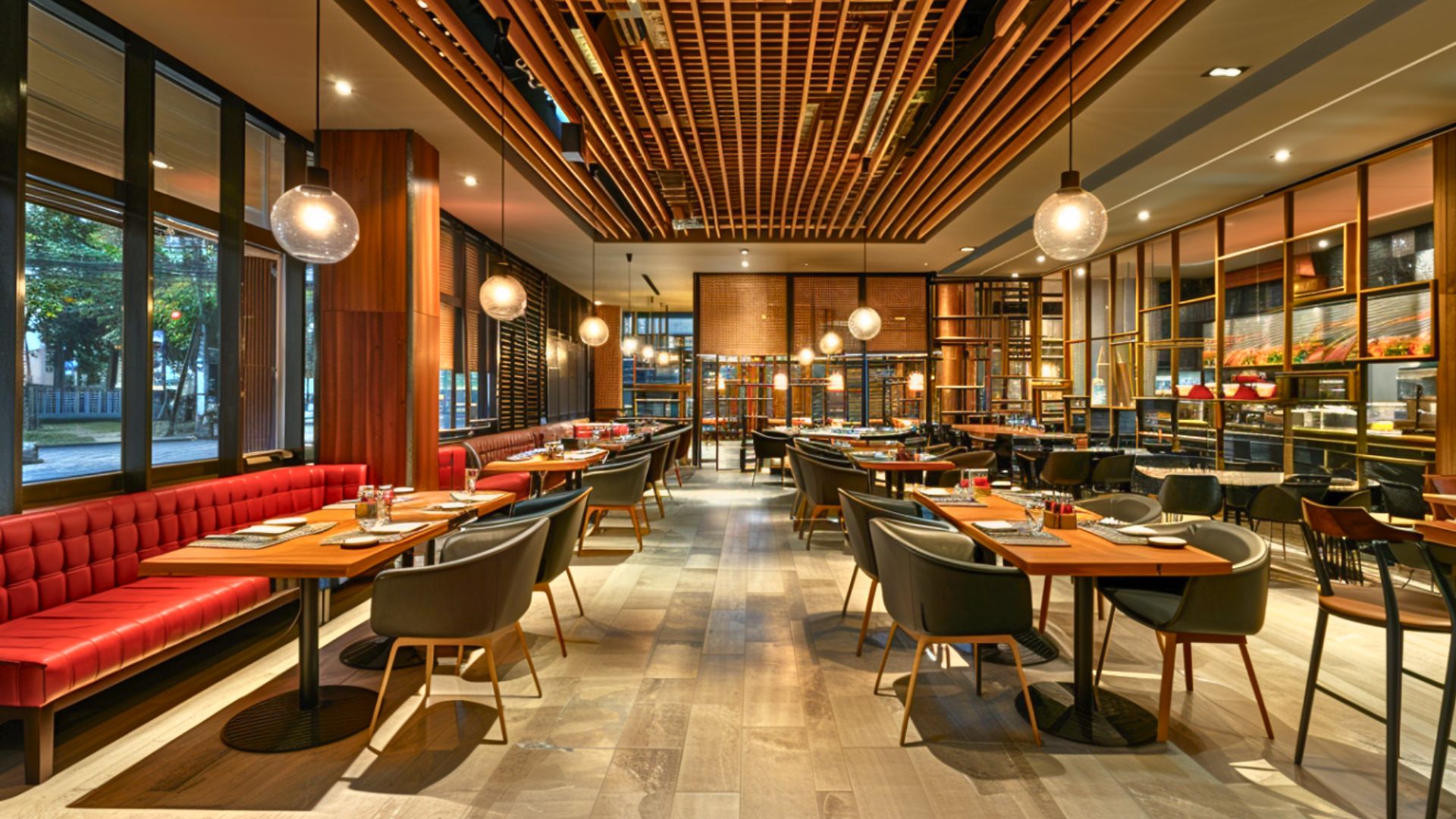
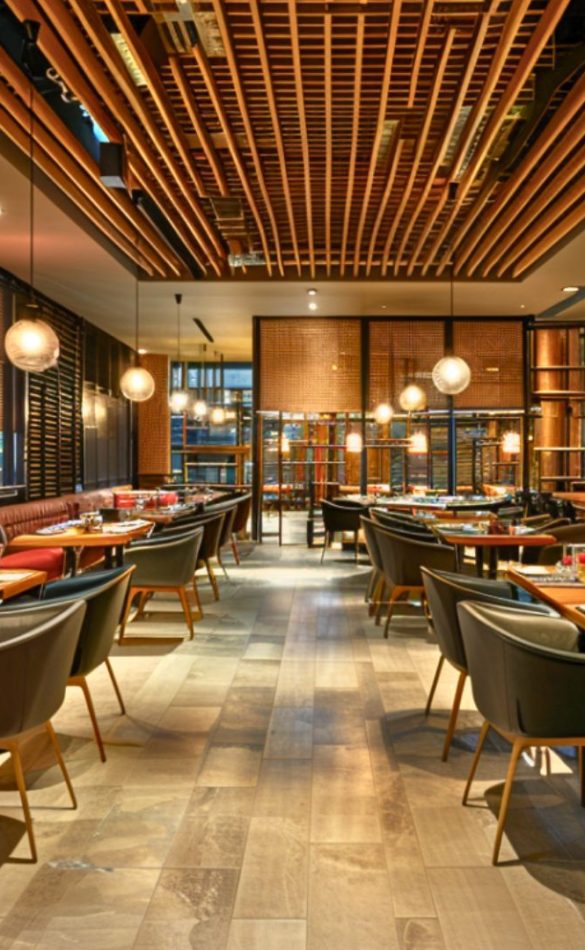
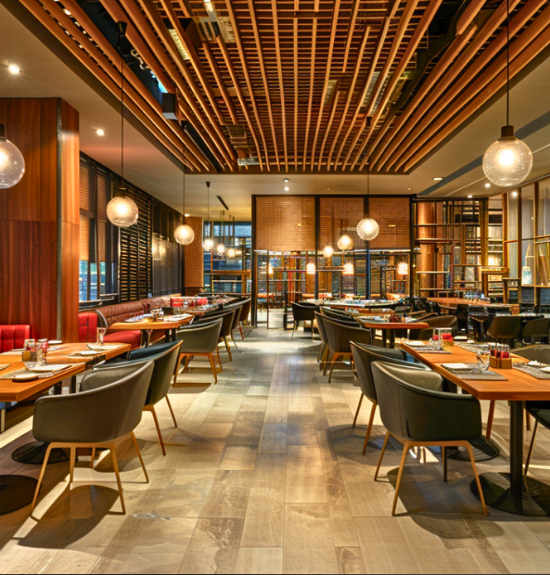
Designing a restaurant is more than picking the right chairs or choosing an Instagrammable wallpaper. It’s about building an experience that keeps guests coming back—and a well-thought-out interior is a big part of that.
If you’re wondering whether you really need a restaurant interior designer, this guide will help. We’ll break down what they do, how they add value, and how to choose the right one, especially if you’re planning your first or second outlet.
1. What Does a Restaurant Interior Designer Actually Do?
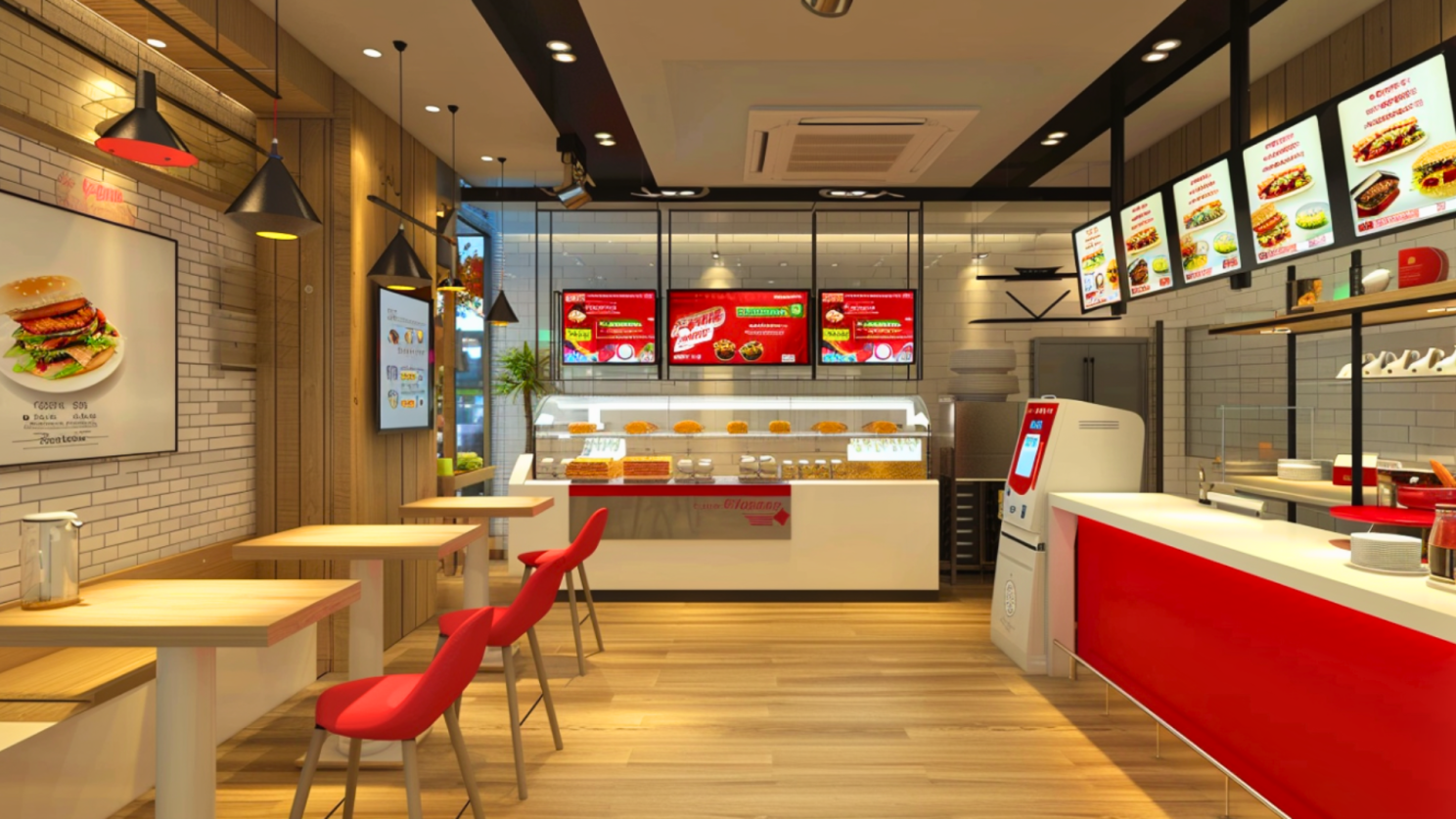
A restaurant interior designer is the director of your outlet, someone who understands both design and operations. They don’t just make your space look pretty—they plan how it works.
From seating flow and lighting to kitchen access and acoustic control, a good designer knows how to balance beauty with efficiency.
2. Why Interior Design Matters More Than You Think
You could have the best chef and a killer menu—but if the lighting’s harsh, the seating’s cramped, or the space feels chaotic, people won’t stay long.
Your interiors affect:
Operational flow (how your team moves, serves, and functions)
Dwell time (how long people stay)
Photo-worthiness (hello, free social media)
Brand perception (are you premium, casual, quirky, or luxe?)
3. How a Designer Helps You Save (Yes, Really)
Hiring a designer feels like a cost—but the right one helps you:
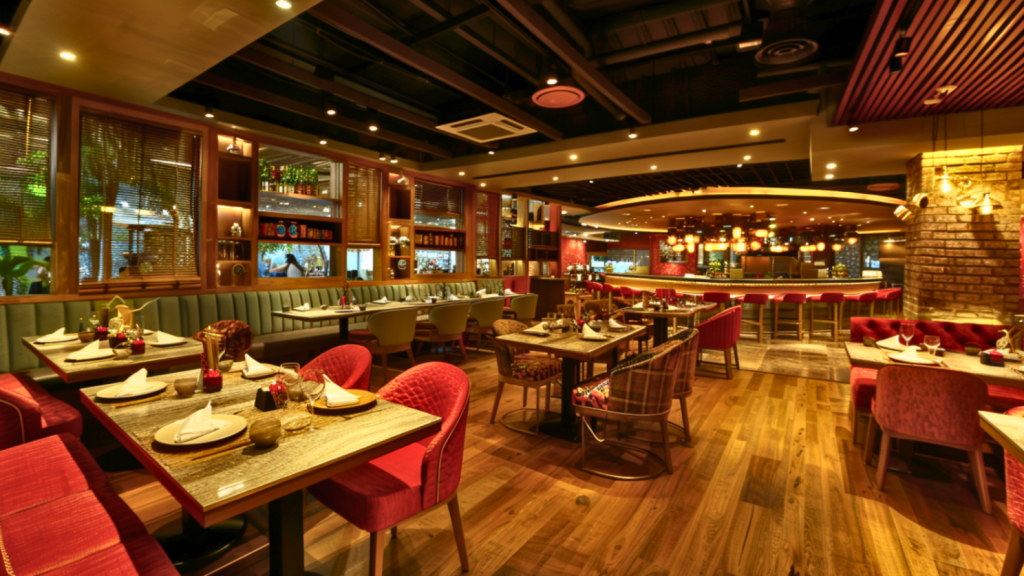
✅ Avoid expensive mistakes Like violating mall regulations, misplacing equipment due to poor MEP planning, or last-minute layout changes that blow your budget.
✅ Plan efficient layouts that reduce staff effort Smart circulation ensures staff walk less, serve faster, and work safer—boosting productivity and cutting operational friction.
✅ Choose materials that last Designers recommend finishes that are durable, stain-resistant, and easy to maintain—saving on future repairs and replacements.
✅ Create a space that can scale They help you design with replication in mind—modular elements, consistent specs, and brand cues that work across locations.
✅ Maintain brand consistency across outlets From color palette to customer flow, they help replicate your experience seamlessly—without reinventing the wheel every time. plan your kitchen around both workflow and compliance.
4. What to Look For in a Restaurant Interior Designer
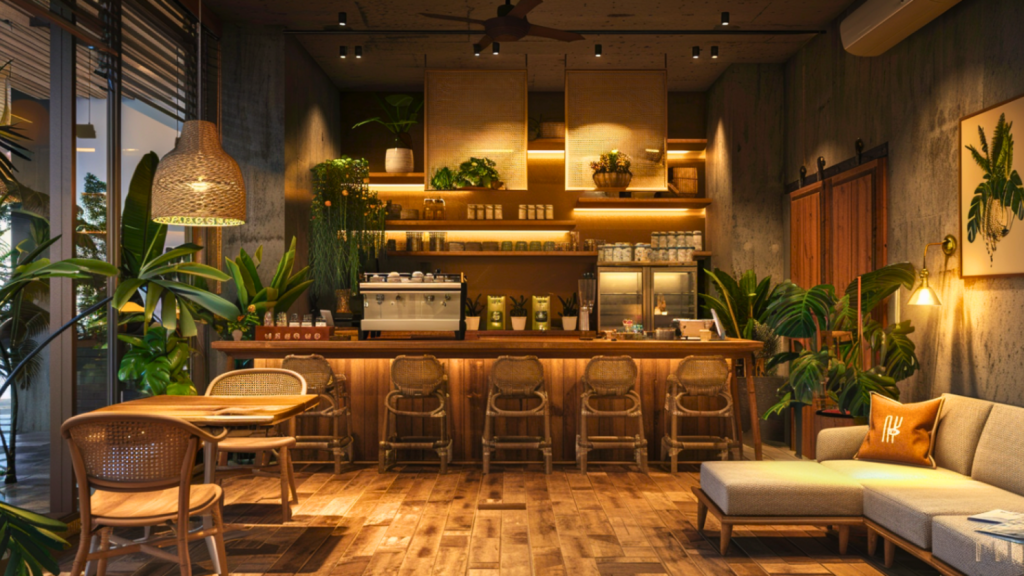
Not all designers are created equal. When choosing one, ask:
✅ Have they worked on similar restaurant formats (QSR, café, fine dining)? ✅ Do they understand kitchen workflow and MEP coordination? ✅ Can they balance your budget without compromising quality? ✅ Will they provide design + build support, or just drawings?
Also, check their past work, reviews, and timelines. A great designer isn’t just creative—they’re reliable.
5. Final Thoughts: Design That Feeds Your Business
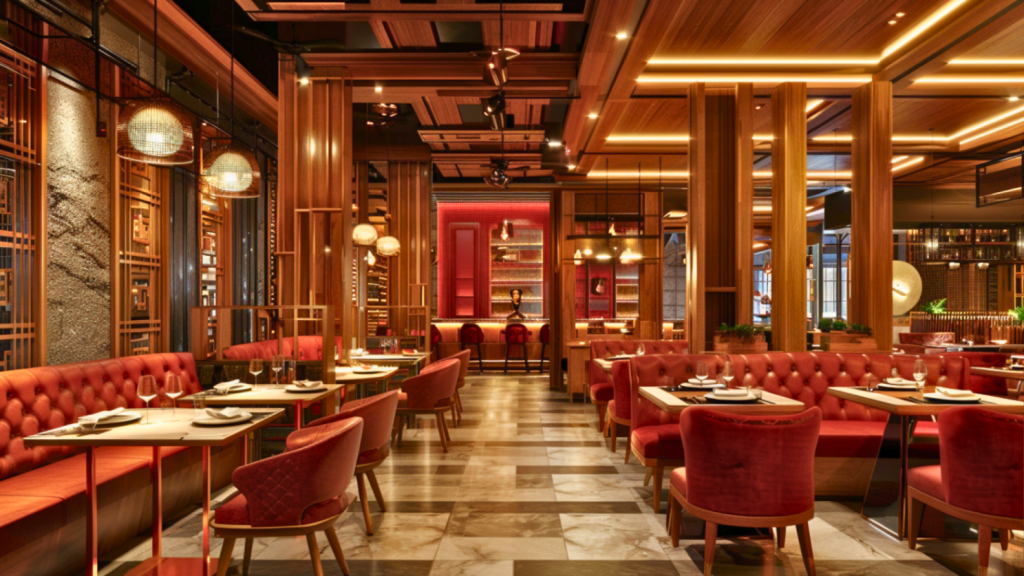
Interior design isn’t just about ambience. It’s about emotion, efficiency, and expression.
The right restaurant interior designer doesn’t just decorate. They help tell your story, shape your customer’s experience, and make your brand unforgettable.
6. Want help designing your restaurant?
Whether it’s your first outlet or your fiftieth, we help restaurant owners plan, build, and scale—with smart design that works.
📍 Pan-India presence | ✨ 3500+ F&B spaces delivered 🔗 Visit SprintCo’s Website
 Prev
Prev