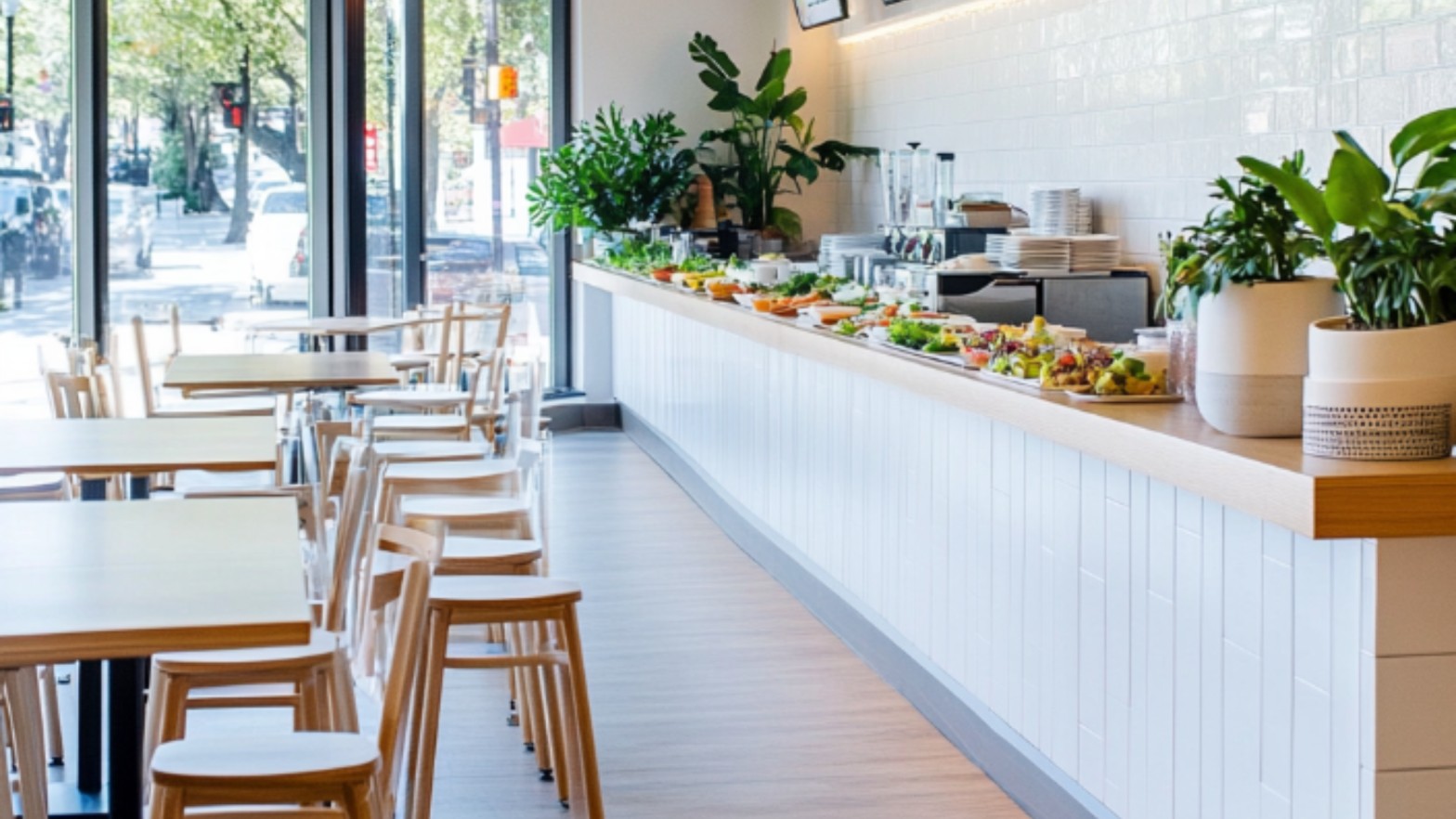



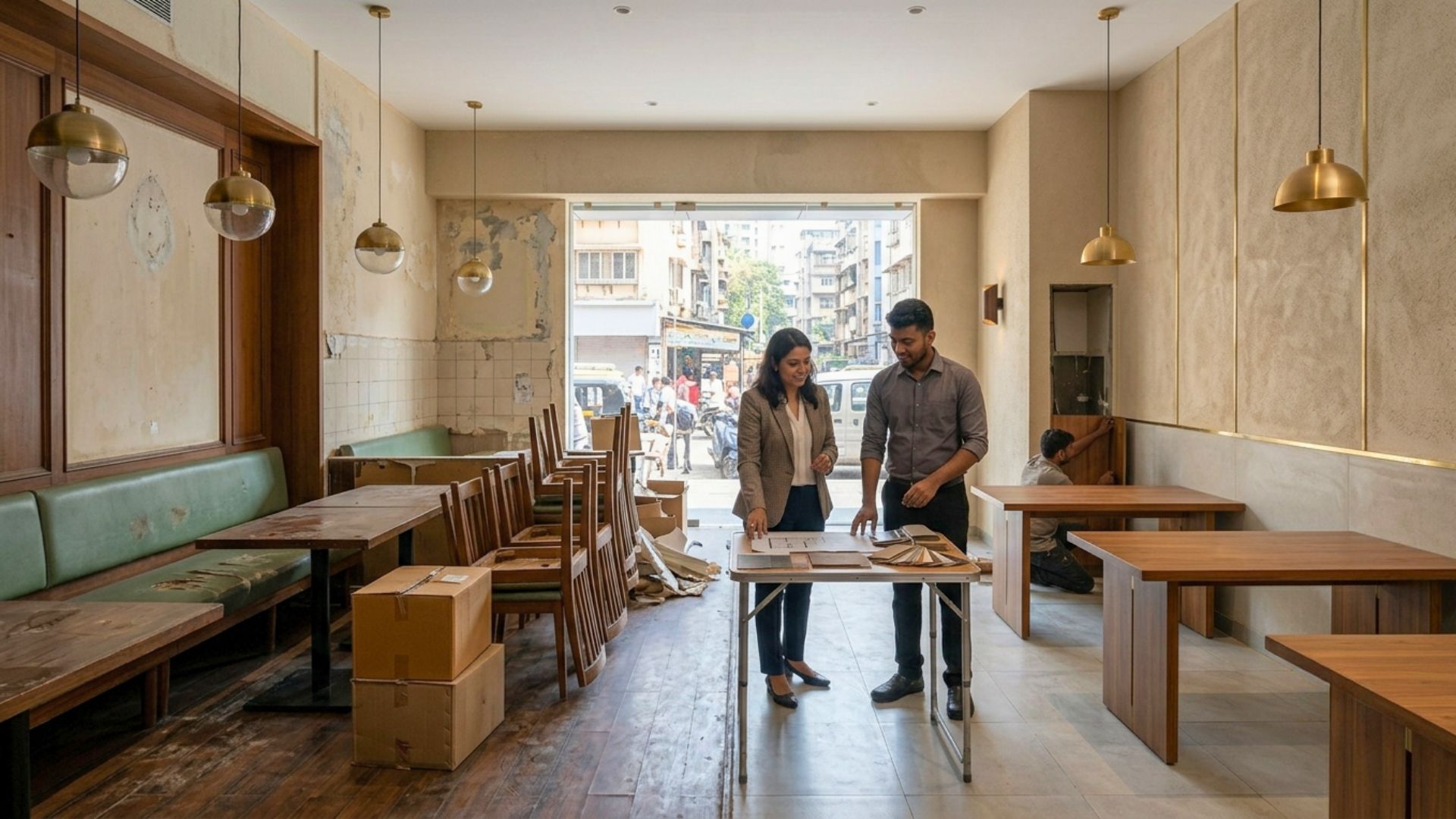
Refurbishing a restaurant interior is sometimes even more tedious than starting a new restaurant altogether. The process demands meticulous planning and execution, though it's often necessary to maintain competitiveness in a fast-moving market.
Assessment and Scope
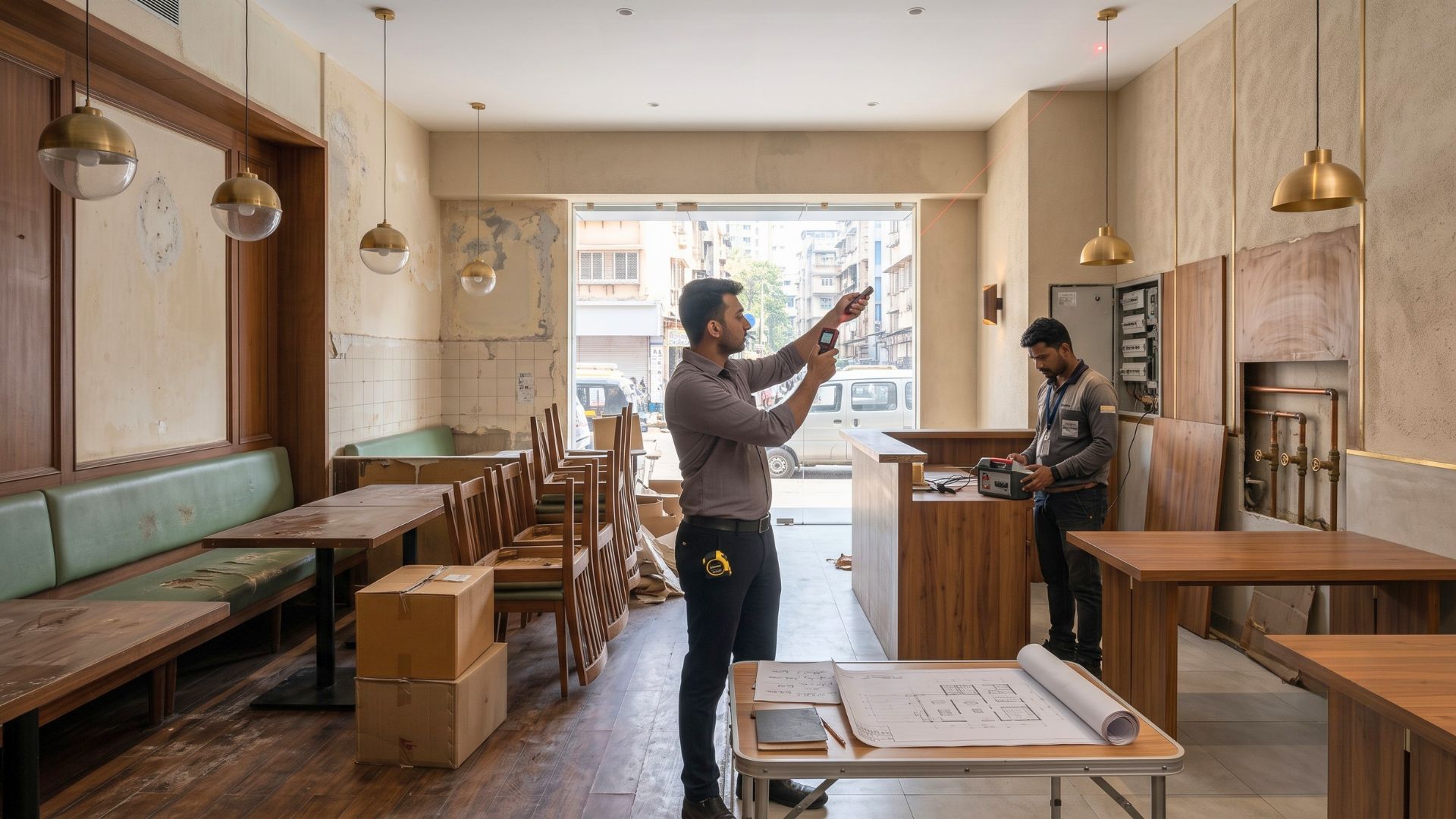
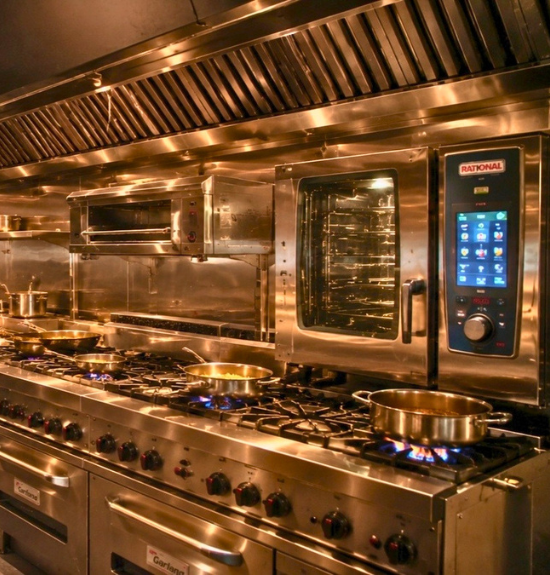
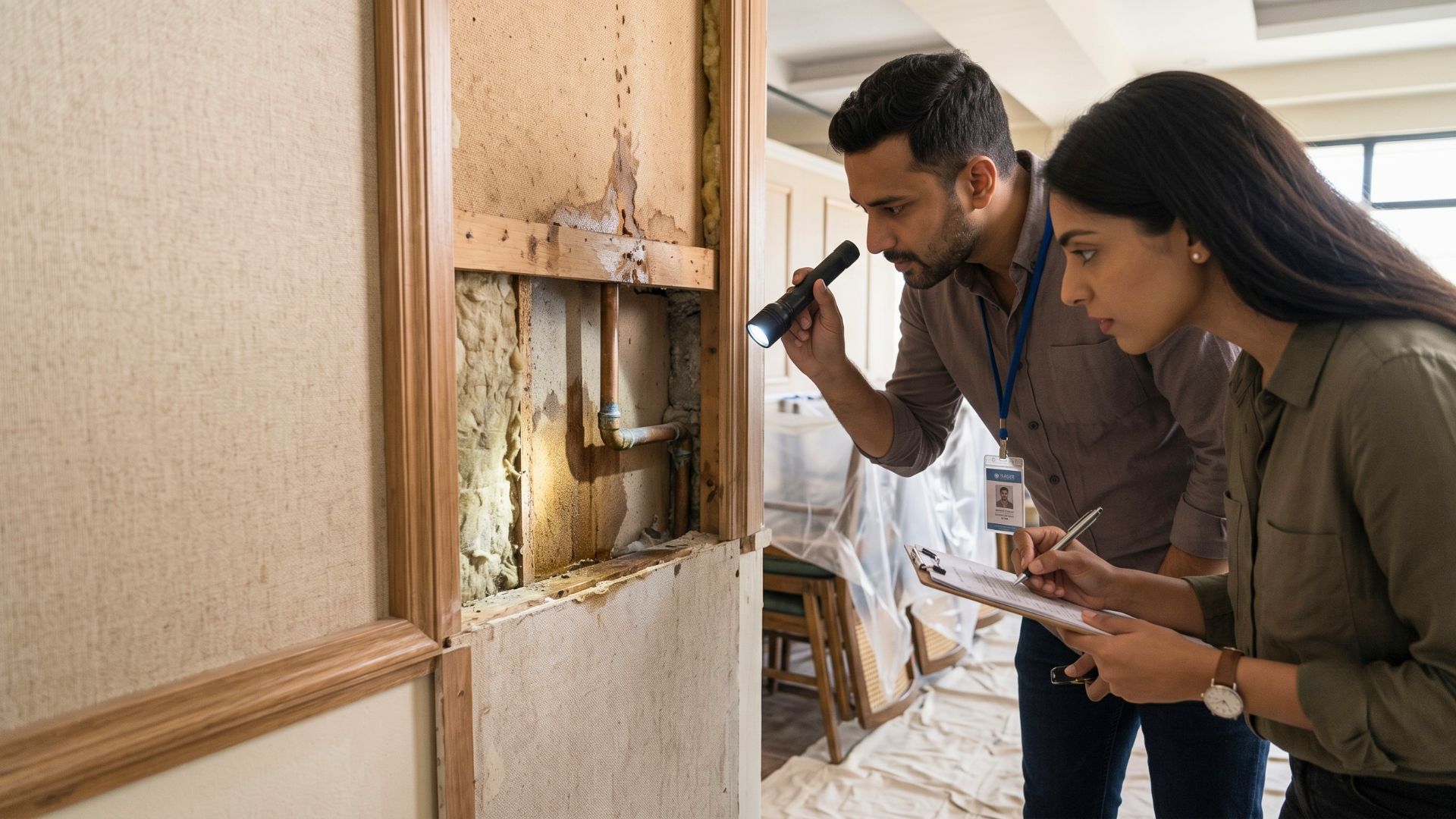
Start by analysing your existing structural capabilities before implementing any aesthetic changes. The focus should extend beyond visual improvements to include staff and customer experience — and you'll need to decide early whether plumbing and electrical modifications are needed.
Budget and Objectives
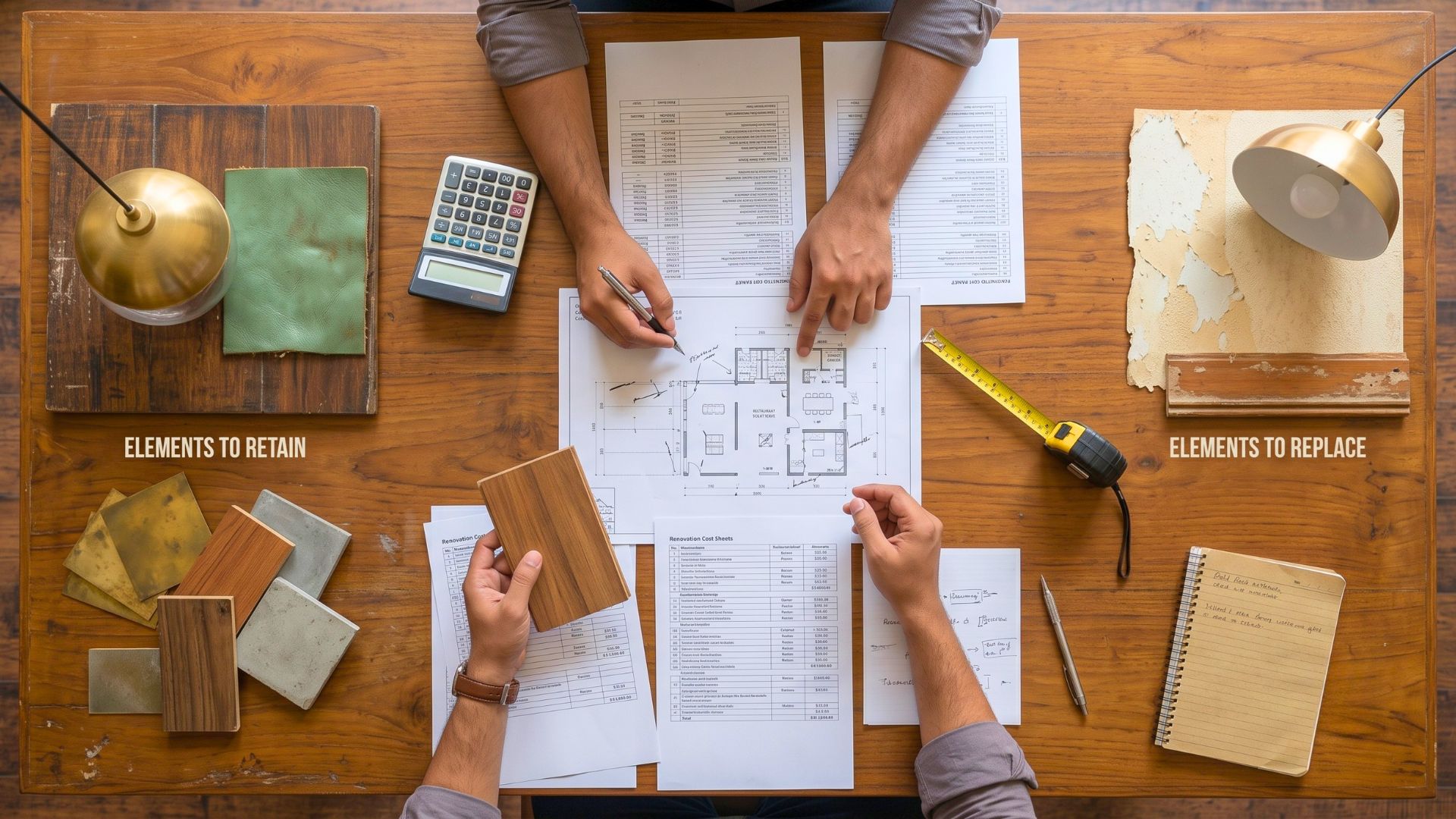
Establishing clear financial parameters and project goals early prevents complications down the line. Create a checklist of what you're retaining versus what's new, and consult specialised designers before locking in a scope.
Plan Ahead
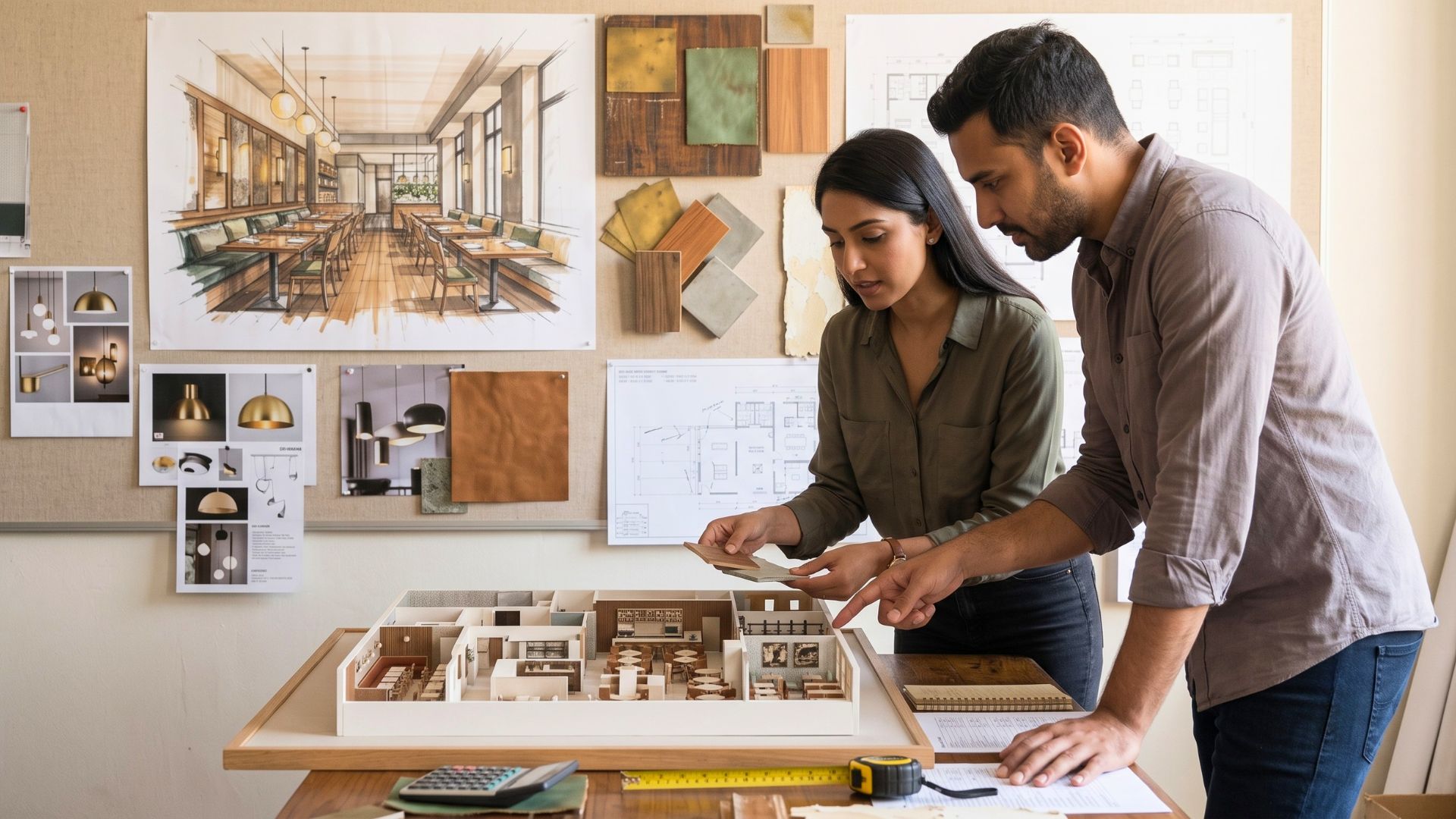
Planning gives you the opportunity to differentiate from competitors rather than simply catching up. Finalise your design before implementation starts, and avoid mid-project modifications — they're where budgets and timelines quietly unravel.
Plan for the Unexpected
Reserve contingency funds for unforeseen challenges that arise during construction. Budget overruns and timeline delays can significantly impact operations, especially if you're refurbishing a live outlet.
Opt for Classic and Durable Styles
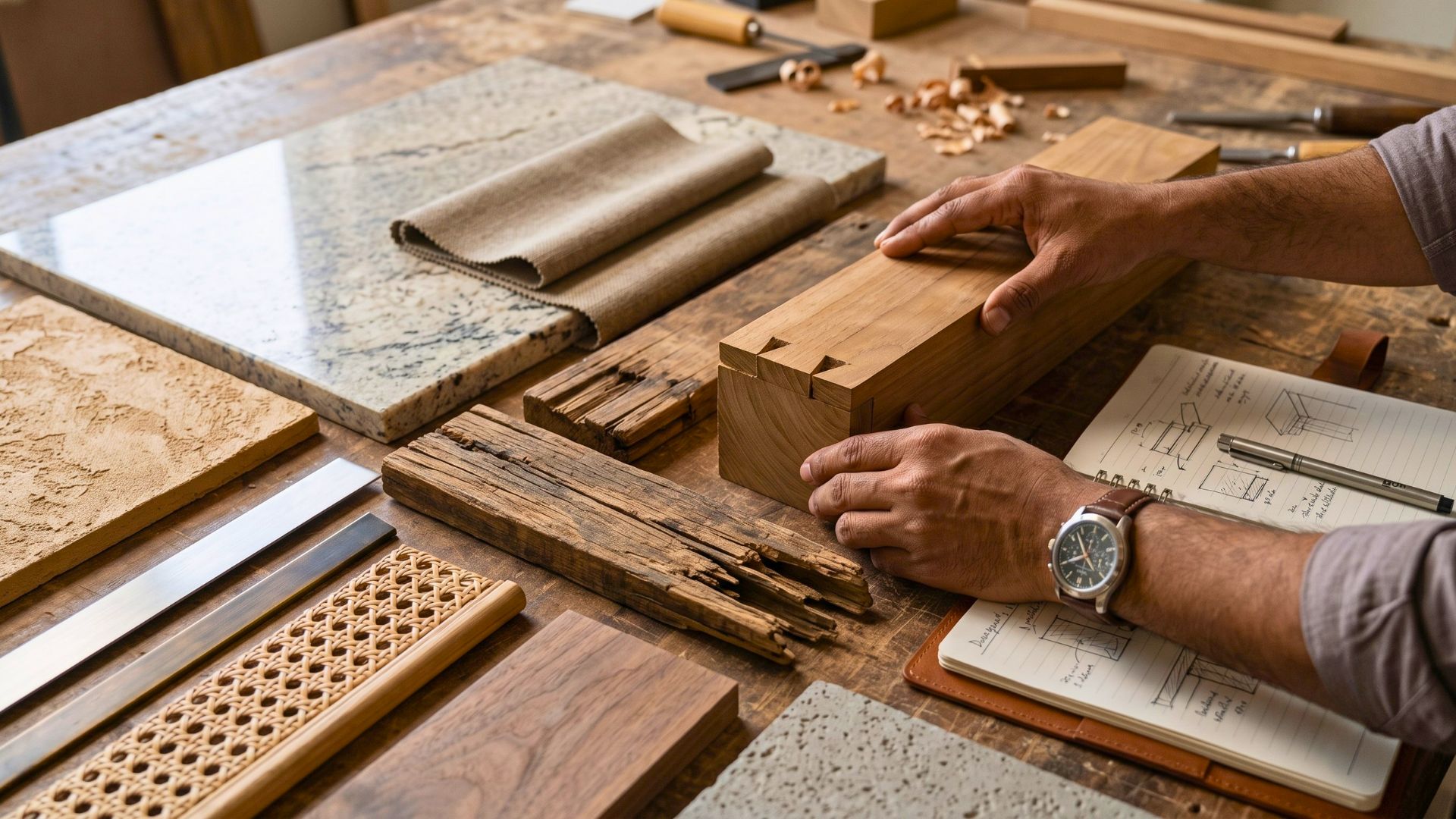
Choose timeless design approaches using neutral colour palettes and natural fibre textiles. Incorporating local artisan work and regional construction methods can enhance appeal while staying durable under daily wear.
Hire Interior Designers
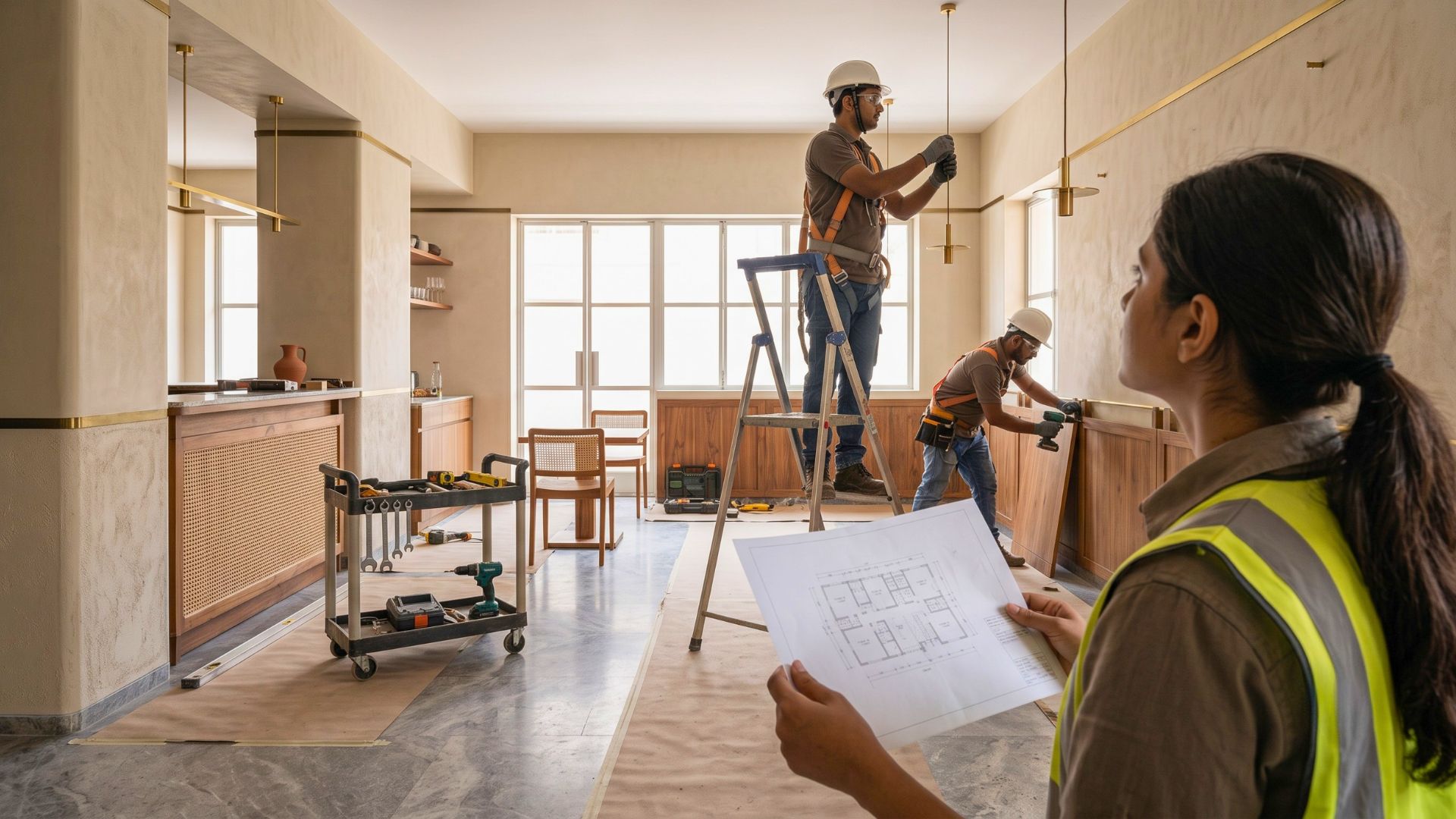
Professional designers specialising in hospitality properties bring aesthetic, technical, and functional expertise throughout the project lifecycle — from the first site assessment to final handover.
Refurbishing or Designing a Restaurant Bar
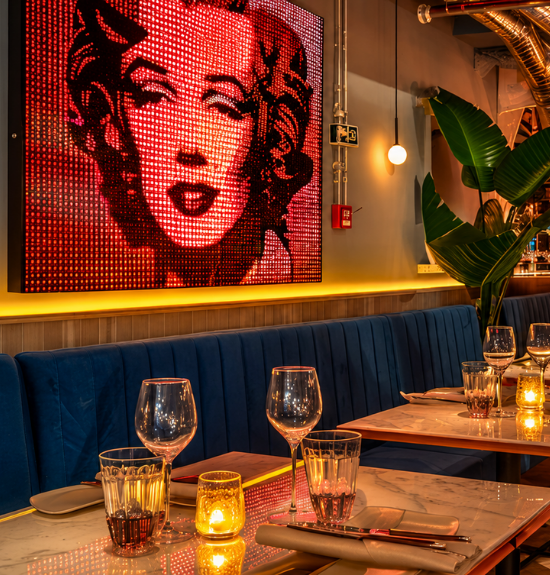
The bar is often a restaurant's biggest selling point, and also one of the easiest areas to refresh without a full rebuild. Plan it around these points:
- Design for your crowd: bold colours and modern furniture for a younger audience; simple, neat, monochrome schemes for a corporate one.
- Light it right: pendants, beam lights or chandeliers can modernise a bar on their own. See our bar lighting design ideas.
- Show off the stock: a backlit back bar markets premium bottles and helps guests choose.
- Upgrade the counter: a durable, stain- and heat-resistant counter top can transform the whole bar front.
- Flexible, comfortable seating: guests come to a bar to linger, so offer a mix of heights and styles.
- Ventilation: easy to under-invest in and hard to fix later; it keeps the bar free of smoke and stale air.
- Separate lounge from dining: bar guests and diners want different volumes and energy. A flexible lounge can double as a waiting or overflow area at peak times.
- Rearrange before you rebuild: sometimes a better furniture layout, new artwork and a lighting change are enough to make an old bar feel new.
Conclusion
Renovations enhance guest experiences and revenue potential when done right. Following a structured process while allowing timeline buffers is what yields the best outcomes.
Planning a refurbishment? At SprintCo, we help restaurant owners refurbish with minimal disruption and maximum impact. Let's talk about your space.